The Oaxacan Spirit:
“Nuestra casa es su casa”
(Our home is your home)
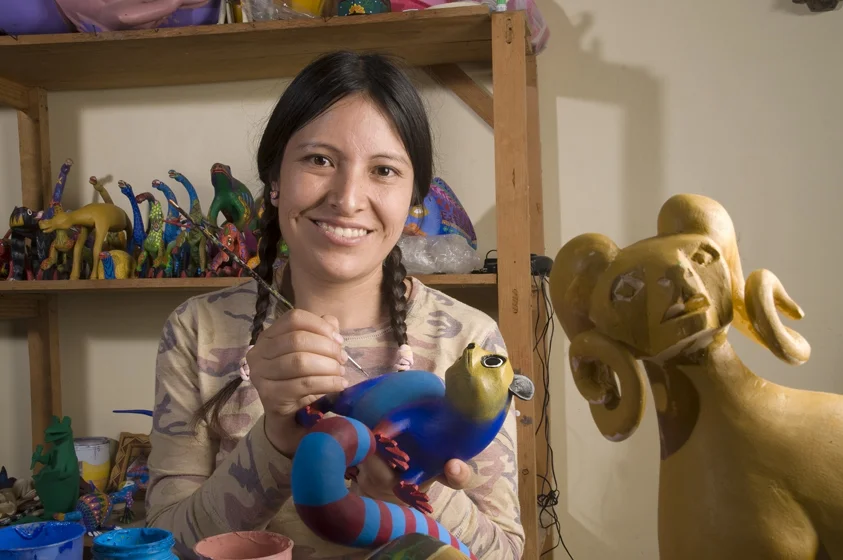
Visitors are warmly welcomed seven days a week in Oaxaca’s indigenous pueblos where many artists reside. Advance arrangements are not necessary, and there is no obligation to make purchases. When you visit a home workshop, you can experience the artist’s creative process first hand and ask questions about artistic techniques, the artist’s family or pueblo. Requesting the price of a piece of art does not commit you to purchasing it! Your hosts will be gracious regardless of the outcome of your visit.
Many of Oaxaca’s pueblos are within an hour — or considerably less — of the capital city, accessible by taxi, hired driver or public bus. Beautiful vistas add to the pleasure of making this journey.
Planning Your Folk Art Itinerary
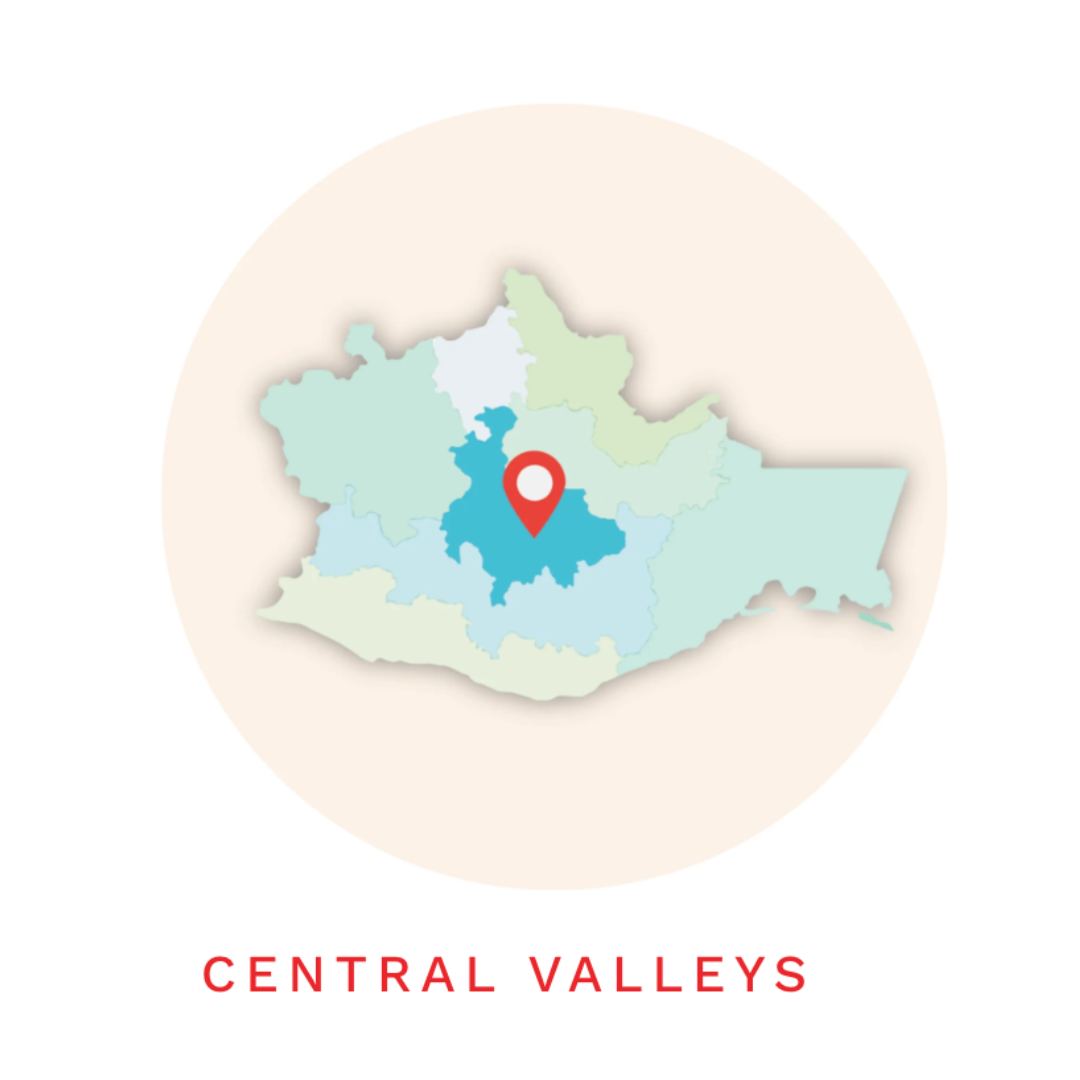
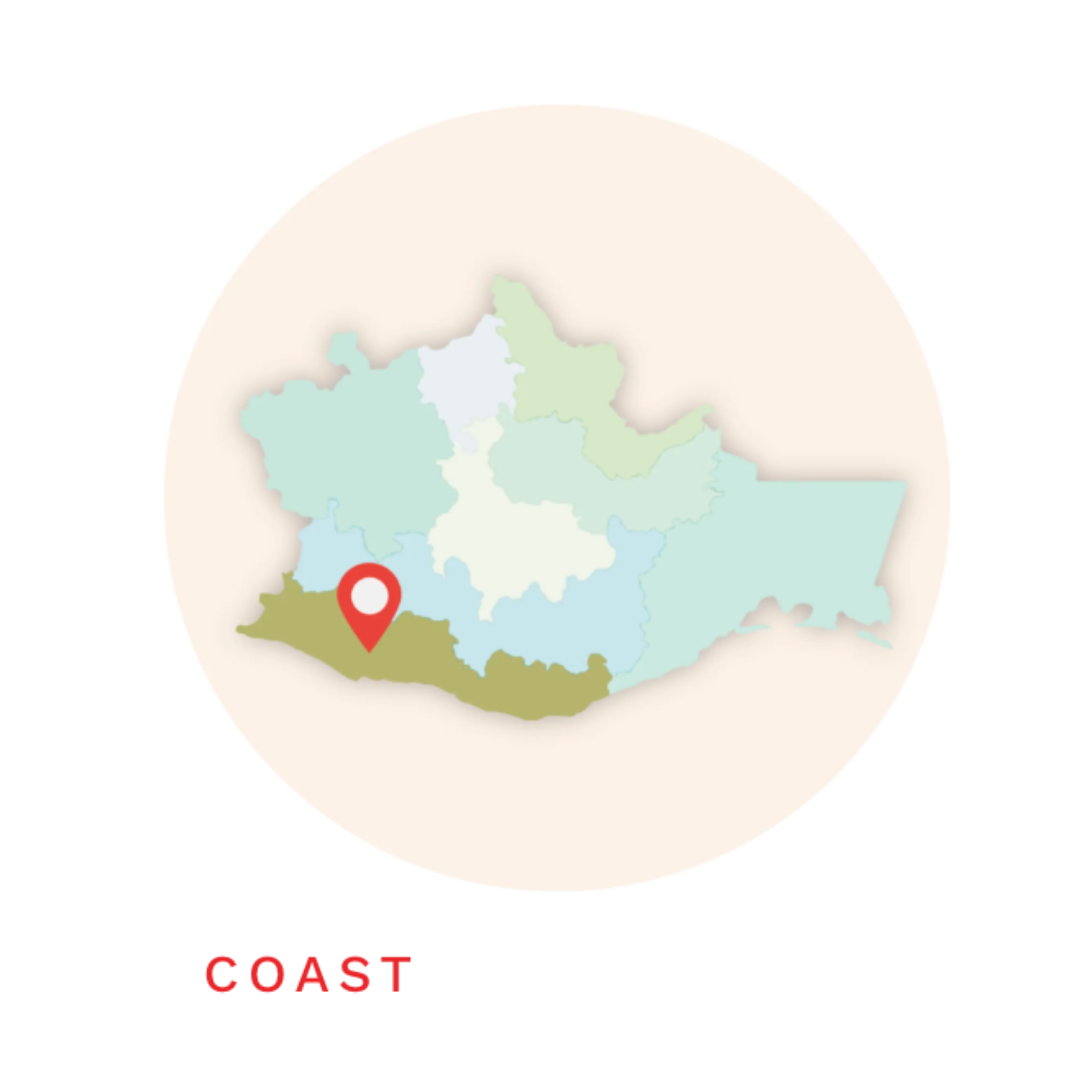
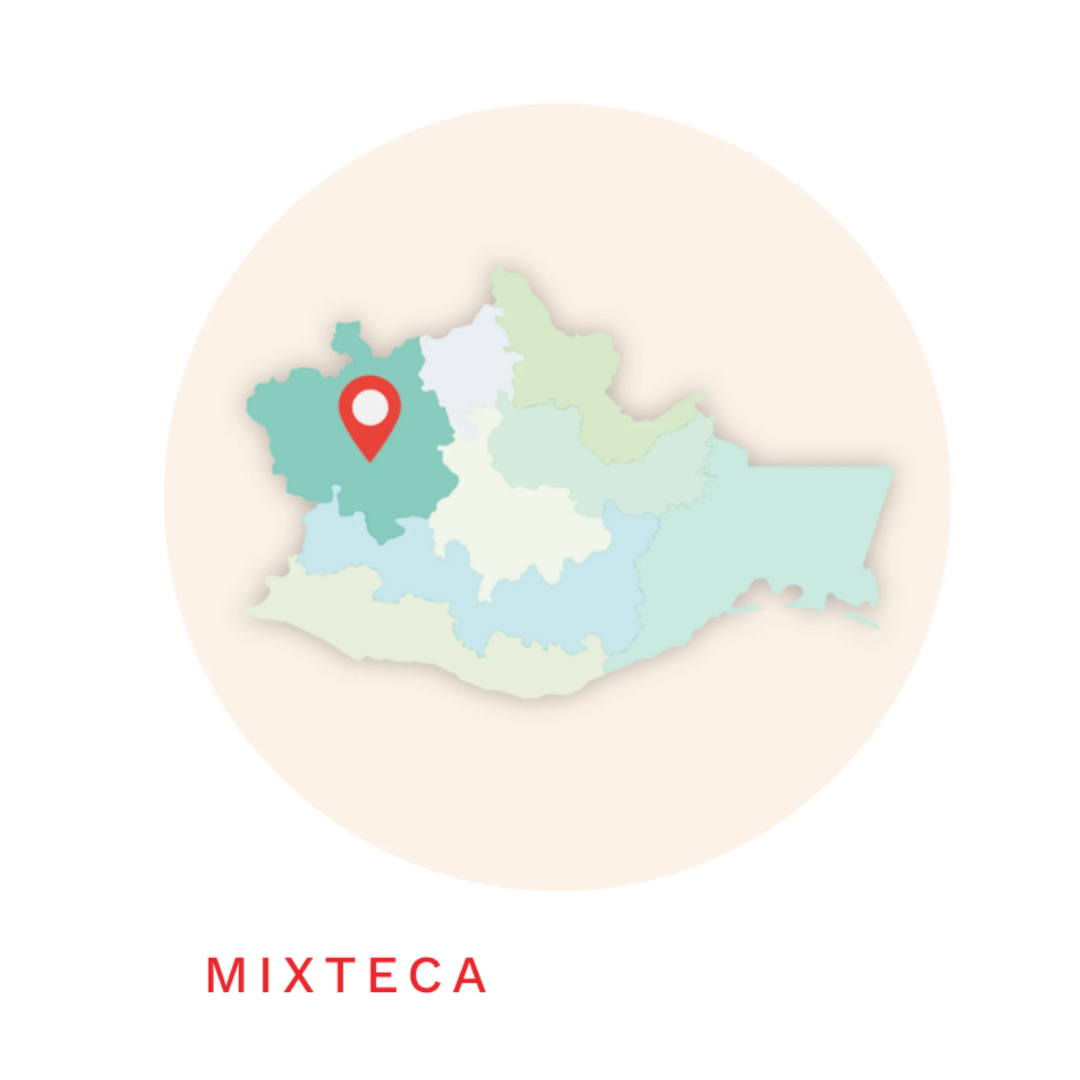
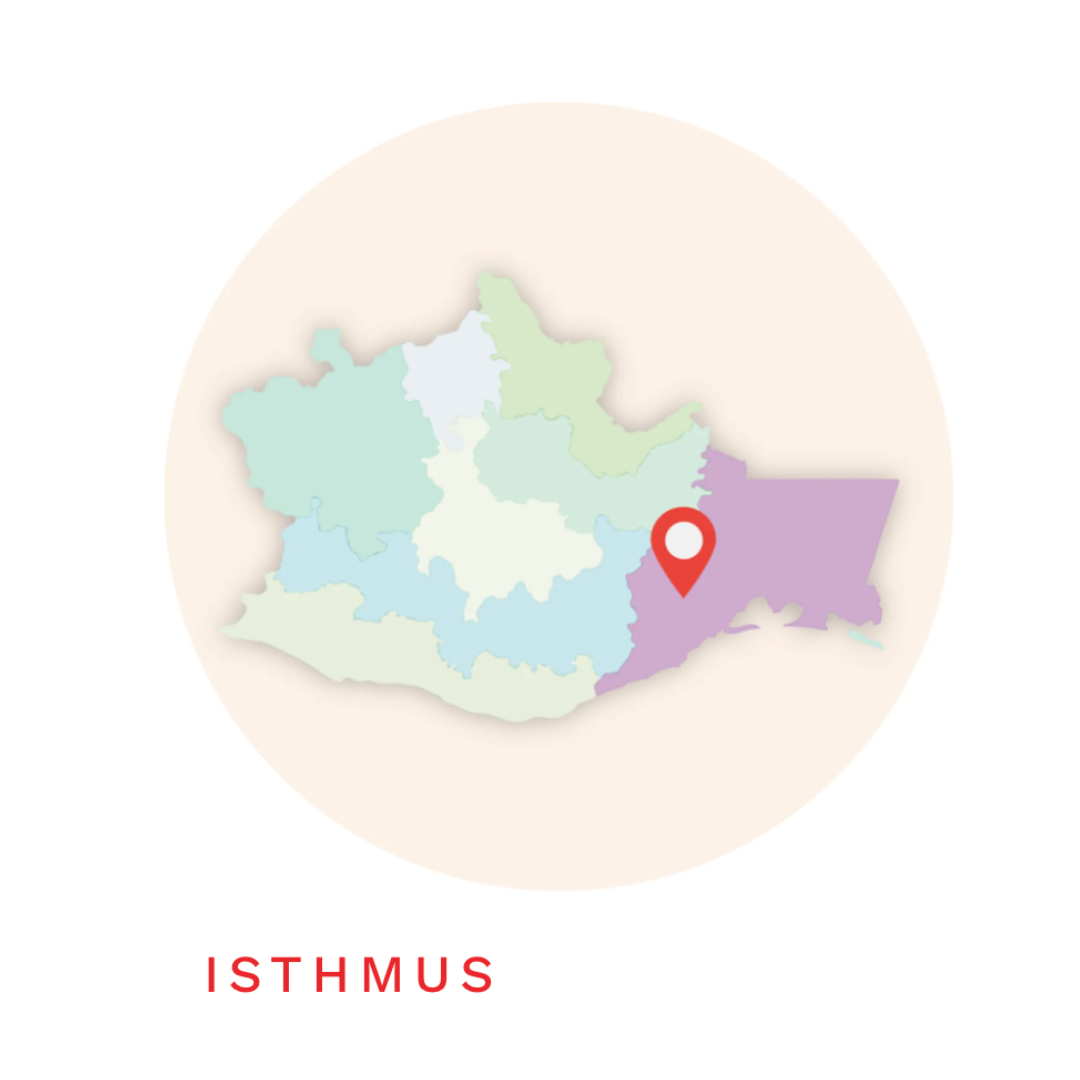
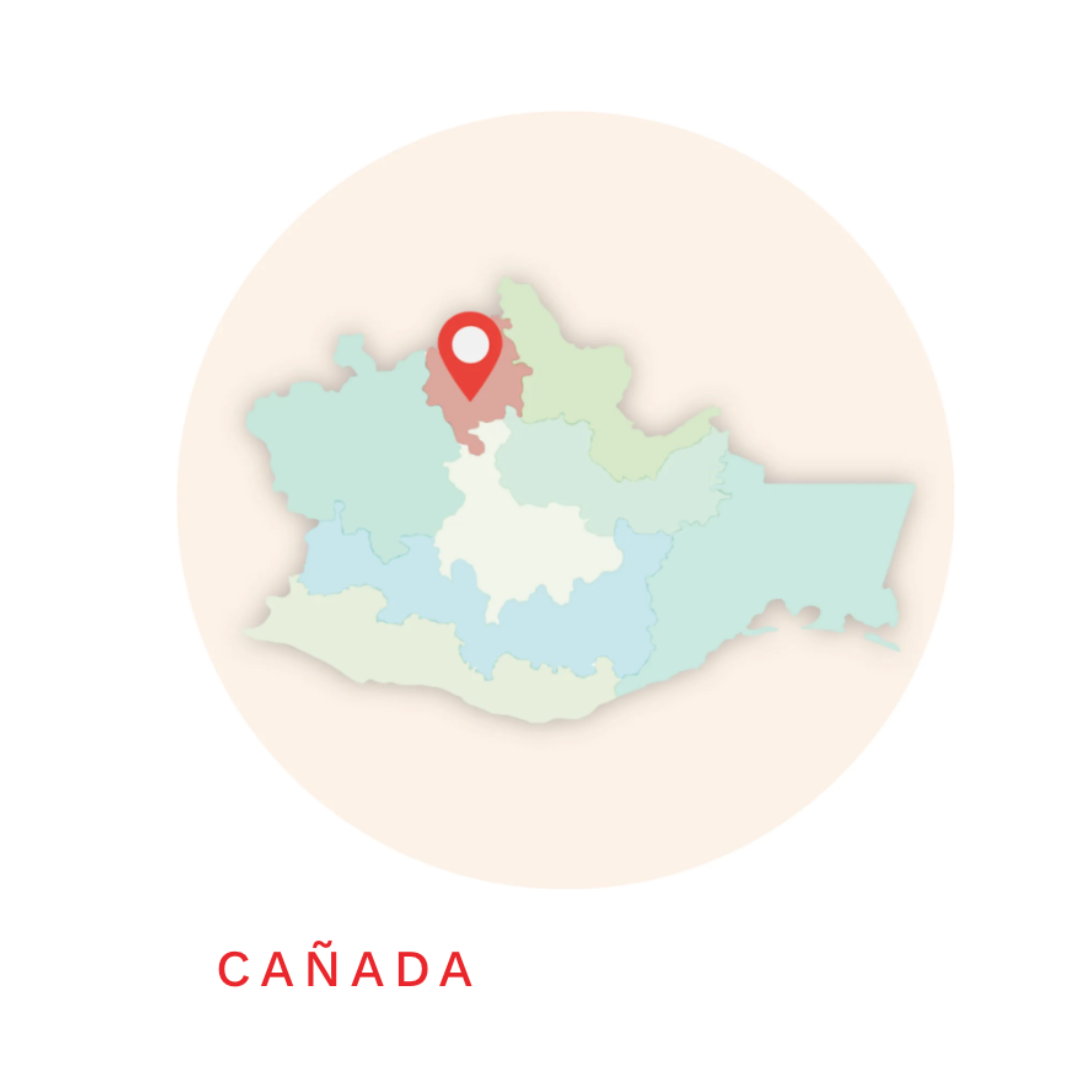
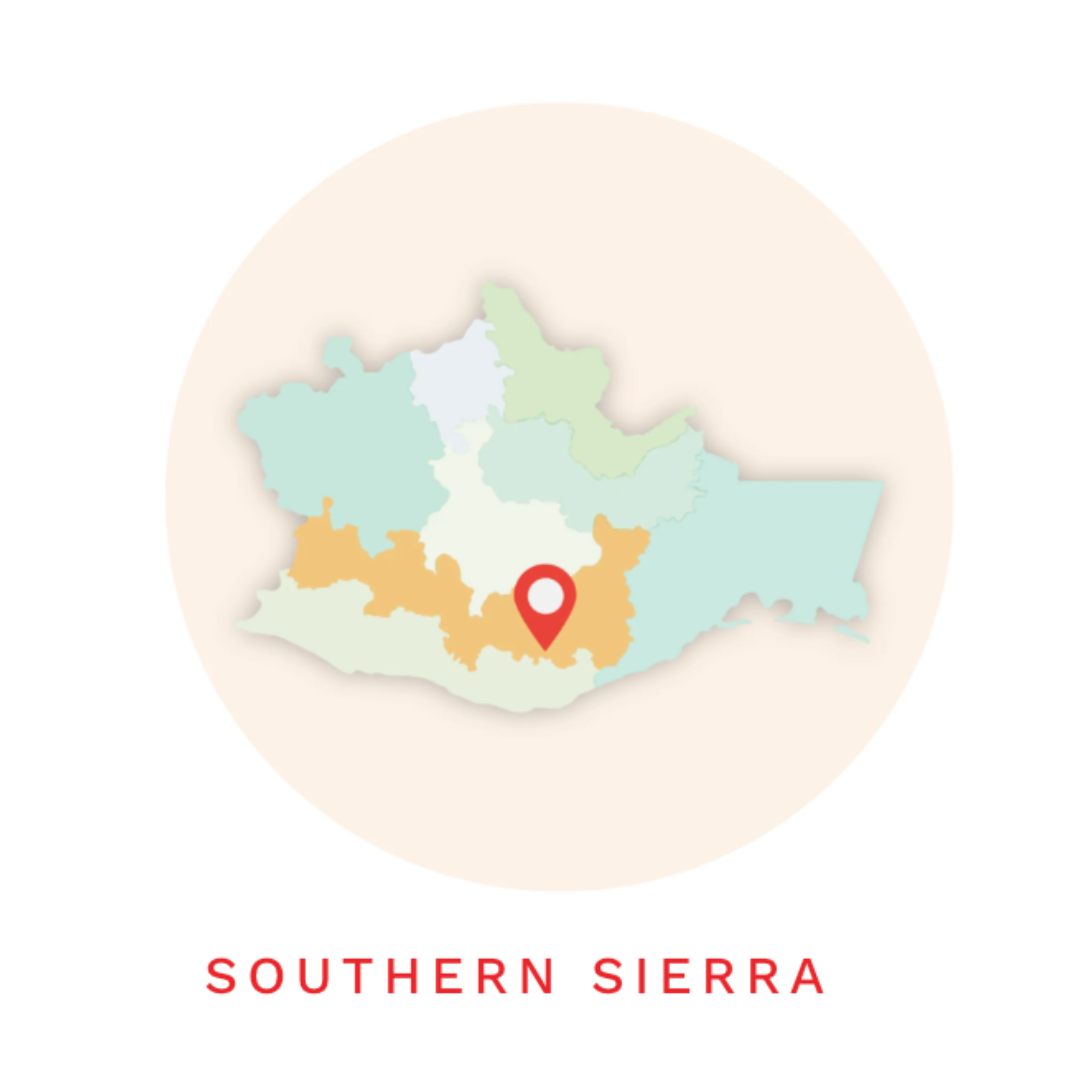
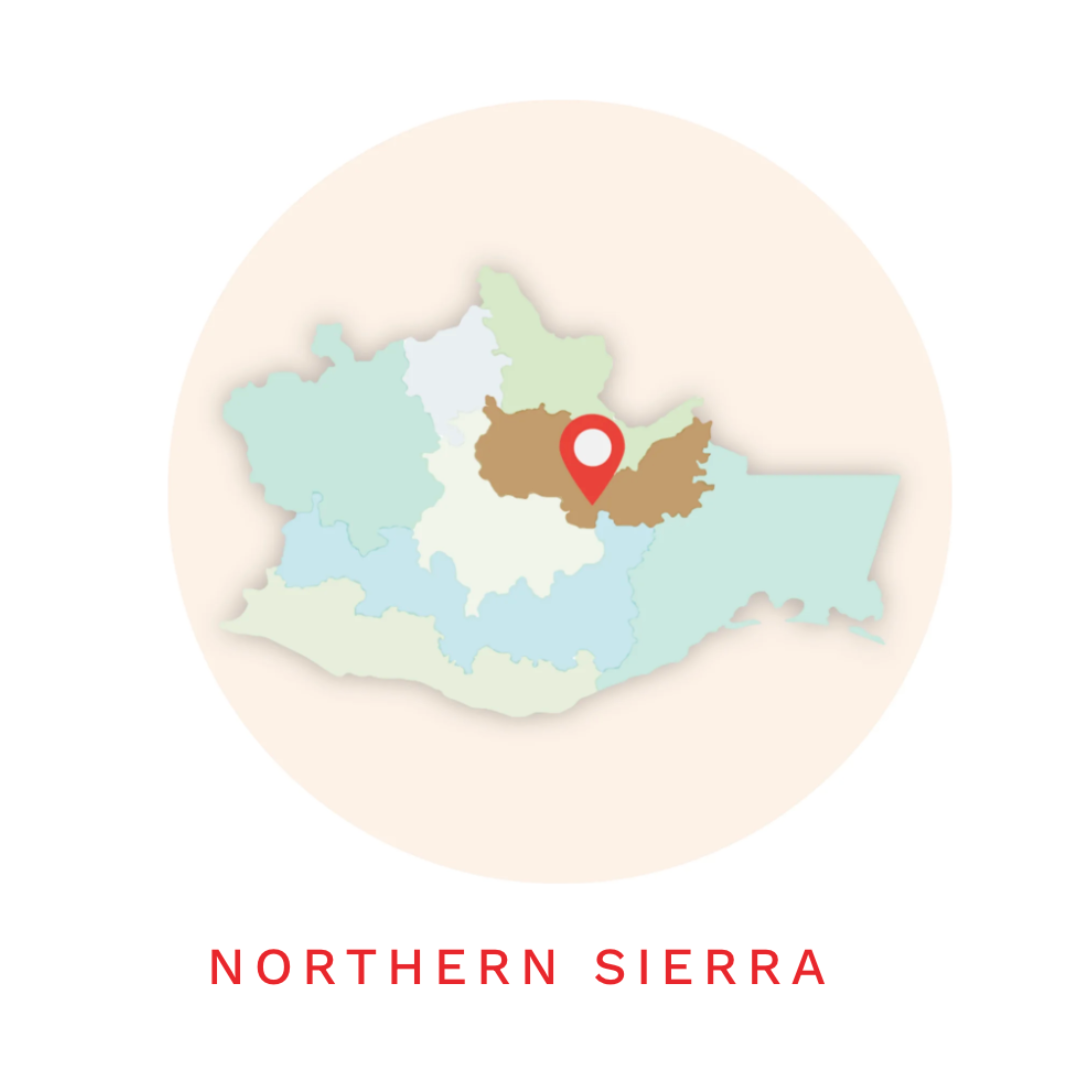
FOFA is excited to announce a free, interactive travel planning tool — a first for visitors to Oaxaca! — that streamlines how to discover and connect with folk artists in their home workshops. The planner consists of seven regional maps of Oaxaca state, each with icons indicating the folk arts created there and the villages where artists live and work. Artists' villages are marked with red dots; a simple click takes you to the artist's profile in FOFA's companion Artists' Directory, with their name, photo, type of art, social media, and contact information.
Most young artesanos depend on visitors coming directly to their home workshops to make a living, yet many travelers to Oaxaca never venture far beyond the city itself. That's why we created these maps — so travelers can easily see where individual artists are located across all seven regions and plan their itineraries accordingly. Oaxaca's highways have improved enormously in recent years, and with smartphones and internet access common even in remote areas, communities throughout the state are far more reachable than they once were. More visits to artists' communities means more artists building sustainable livelihoods.
NEW: Interactive Maps
What You Might Find at a Home Visit
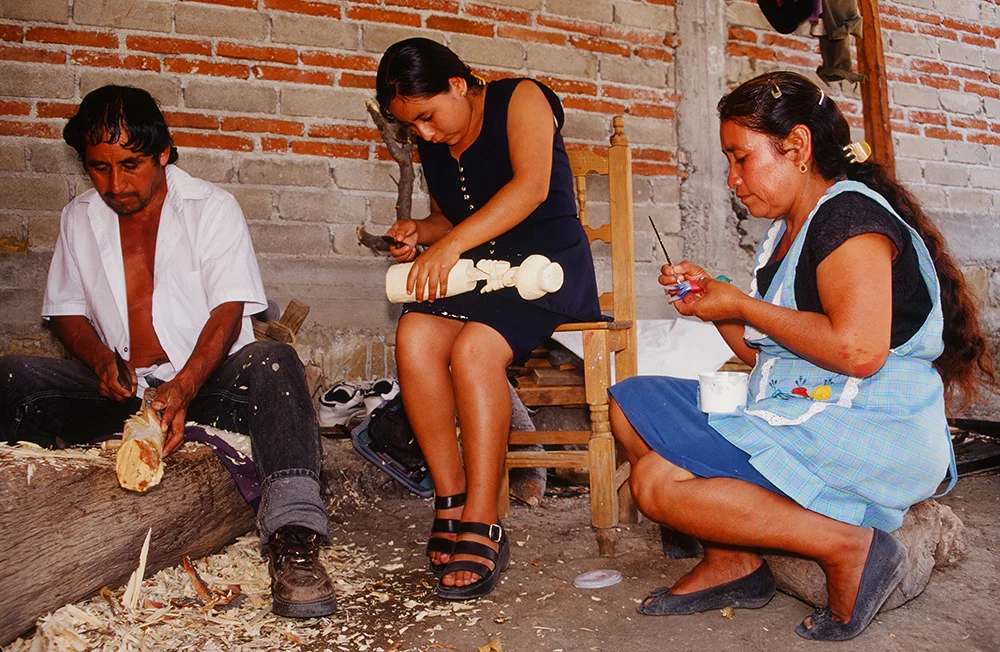
Much of Oaxaca’s folk art is produced by families, even if only one member signs the finished piece. Children often grow up enveloped in a multi-generational home in which all family members play some role in the artistic process. It is not unusual for a pre-school child to begin to work clay or decoratively paint a woodcarving. The inter-generational connection is powerful, and comes to life when you make a home visit.
Here are some typical scenarios you might encounter:
After a bumpy ride on a picturesque dirt road, you reach a home with an open courtyard. Invited to enter, you watch as a woman deftly molds a ball of soft red clay into a female figure. Near the ceramicist, at another worktable, her husband and daughter bring dried clay figures to life as they paint intricate designs on the traditional clothing and accessories that individualize each piece.
In another pueblo, you encounter this family workshop scene: surrounded by wood shavings, a father carves a deer with delicate antlers out of a solid piece of copal wood while his teenage son paints brilliant designs on a fierce winged reptile. In an adjacent area, his wife and daughter decorate the fanciful rabbit and armadillo hewn by the father the day before.
Miles away, you come to an impressive home with a generous patio, where large woven rugs suspended from graceful arches wave like patterned banners. A young man standing before a huge wooden loom creates a click-clack sound as his hands and feet work the neatly threaded shuttle loom. Nearby, his mother in indigenous dress grinds natural substances with stone implements and oversees the preparation of dyes. Many skeins of wool hang waiting to be dyed, carded and spun by the weaver’s sister the previous day.

Transportation Options
Private Guide: If your time is limited, traveling to the pueblos with an excellent driver/guide knowledgeable about folk art is well worth the expenditure. The main highways out of Oaxaca City are well paved and marked, but the routes to artists’ villages are often rustic dirt roads with poor-to-no signage. The guides speak English, and they know the way to many artesano families. If you’re unsure of whom to visit, they will recommend an itinerary for you; or, if you know where you’d like to go, they’ll be equally accommodating. Ask your hotel for a recommendation of a guide or contact FOFA for a list of names. An English speaking guide with an air-conditioned vehicle may charge $25/hour and up, depending on the season and itinerary.
Private taxis charge approximately $10 per hour. Drivers will take a party of up to four passengers, but always agree on a price in advance. Many have a general idea of the towns, and some may speak limited English.
Public Transportation: For the more adventuresome, consider taking a “taxi colectivo” (communal taxi) or second-class buses. You will need to plan your itinerary in advance and be prepared to do a considerable amount of walking between artists’ workshops.
Colectivos depart from the Mercado de Abastos (intersection of Periférico and Avenida Central) -- a huge market where all kinds of items are sold -- and cost a few pesos. Signs indicate the pueblo to which each taxi is heading. A taxi leaves once it is filled with five passengers.
Second-classes buses also leave from Mercado de Abastos. This means of transportation – the one used by many local residents – is extremely inexpensive, picturesque (people are laden with purchases and wares), and time-consuming (due to its many stops).
Getting Your Treasures Home
Our tried and true advice is to carry back as many purchases as possible in your luggage. The good news is, you needn’t worry about customs, since folk art is not dutiable. Success in getting your treasures home in great shape hinges on the quality of the packing. If you have purchased ceramics, carved wood sculptures or other fragile pieces, you may want to consider having them professionally packed to avoid disappointment. Your items will be packed into luggage that can be checked on your flight, and packers’ fees are reasonable. Shipping, which is also easy to arrange, is very expensive by comparison with airline fees for excess luggage. Ask your hotel for a recommendation of a packer or contact FOFA for suggestions.